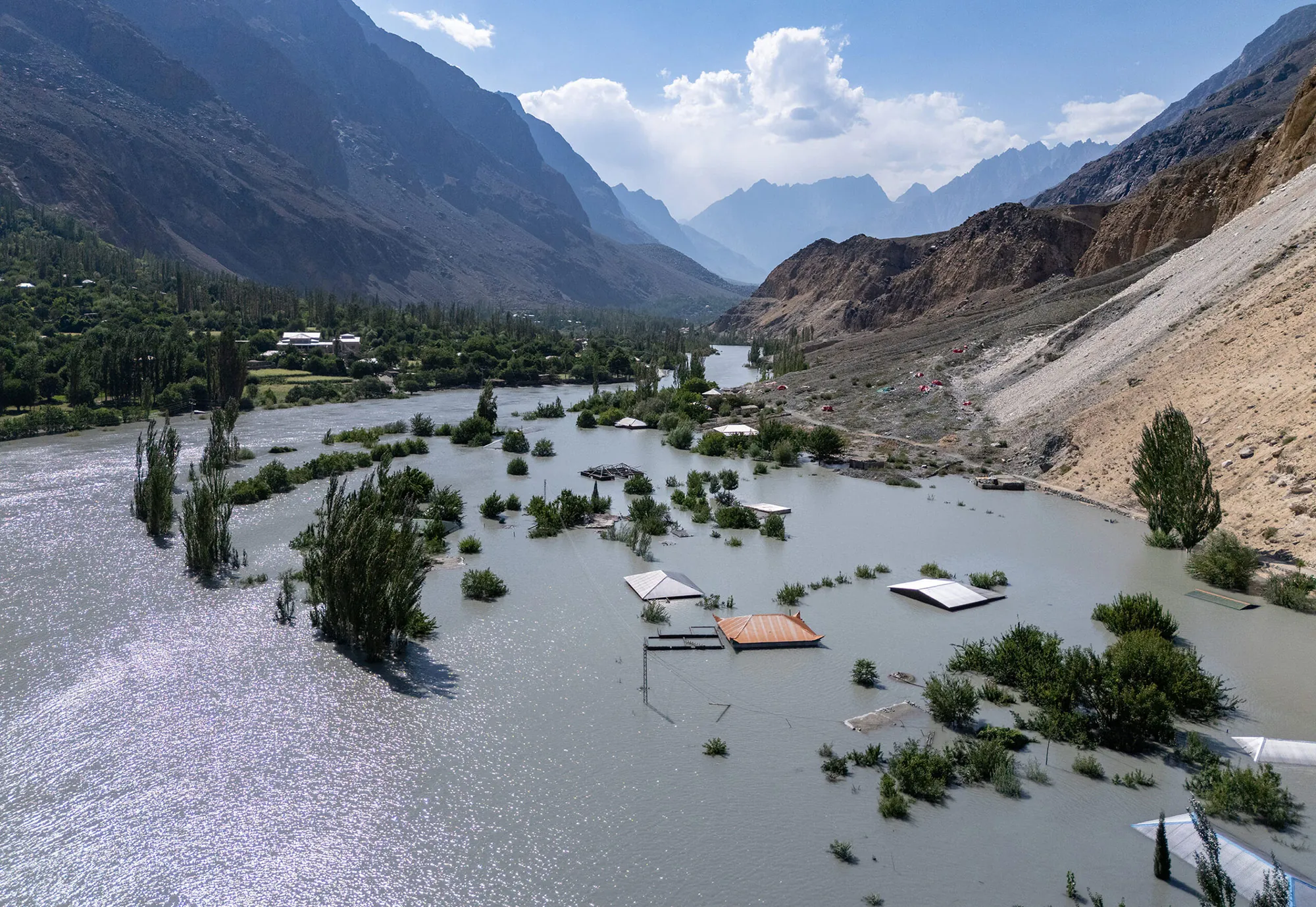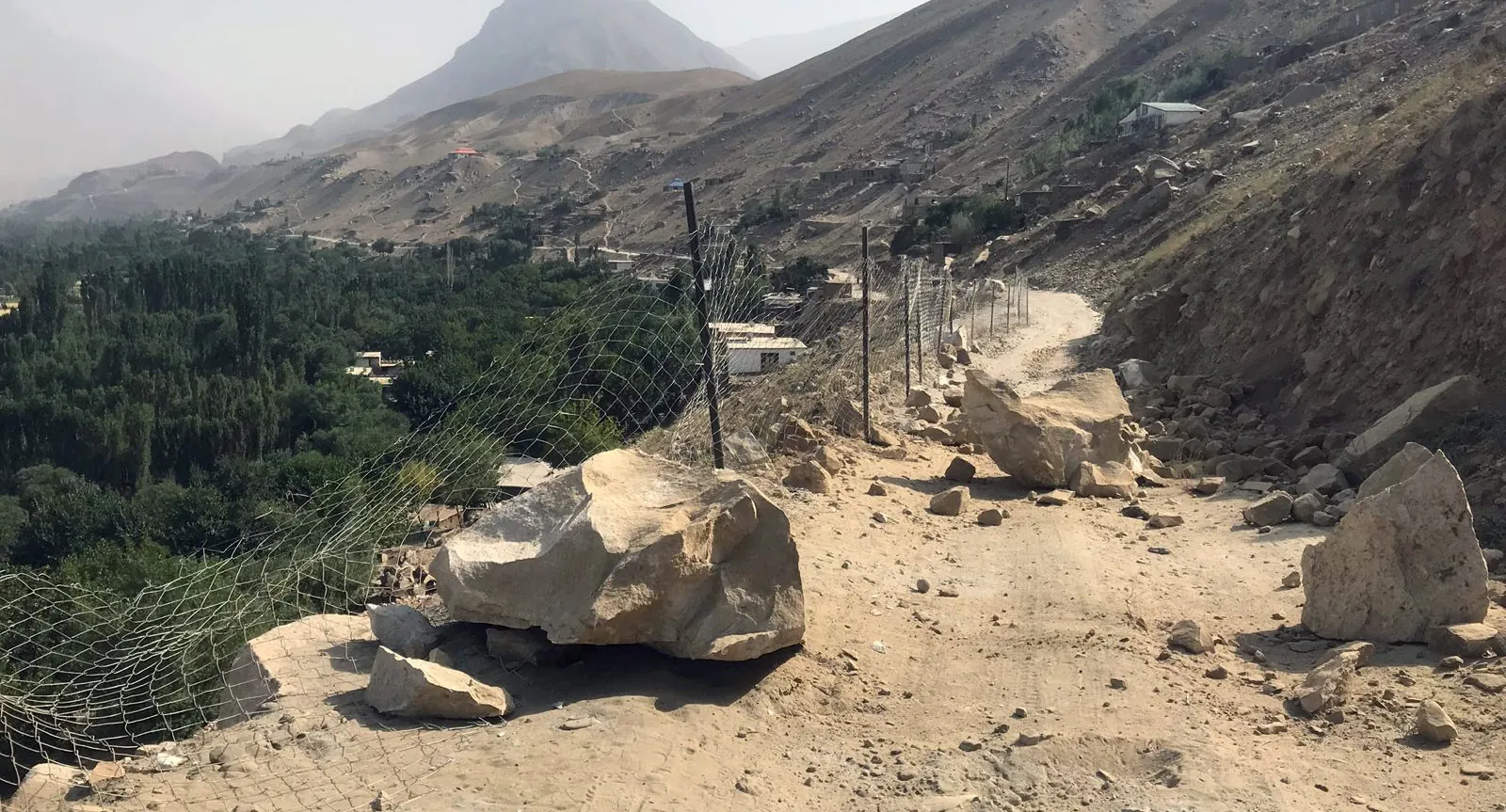


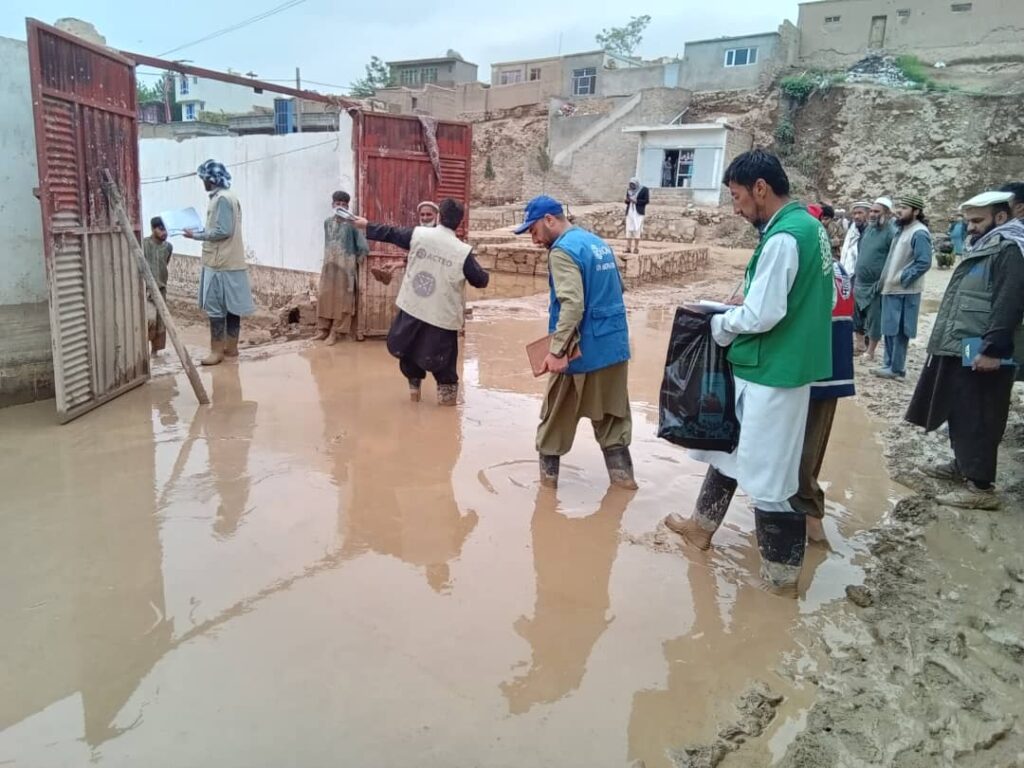
In early April 2026, heavy rainfall swept through northern and northeastern Afghanistan, sending flash floods tearing through communities in Baghlan, Badakhshan, Takhar, and surrounding provinces. By the time the waters receded, 3,612 people had been affected, with one fatality, 516 homes were destroyed or damaged, and 28 large water wells which were the only clean drinking source for many families were devastatingly washed away.
But due to decades of preparedness investments made possible, in part by FOCUS donors, communities were not facing this disaster alone.
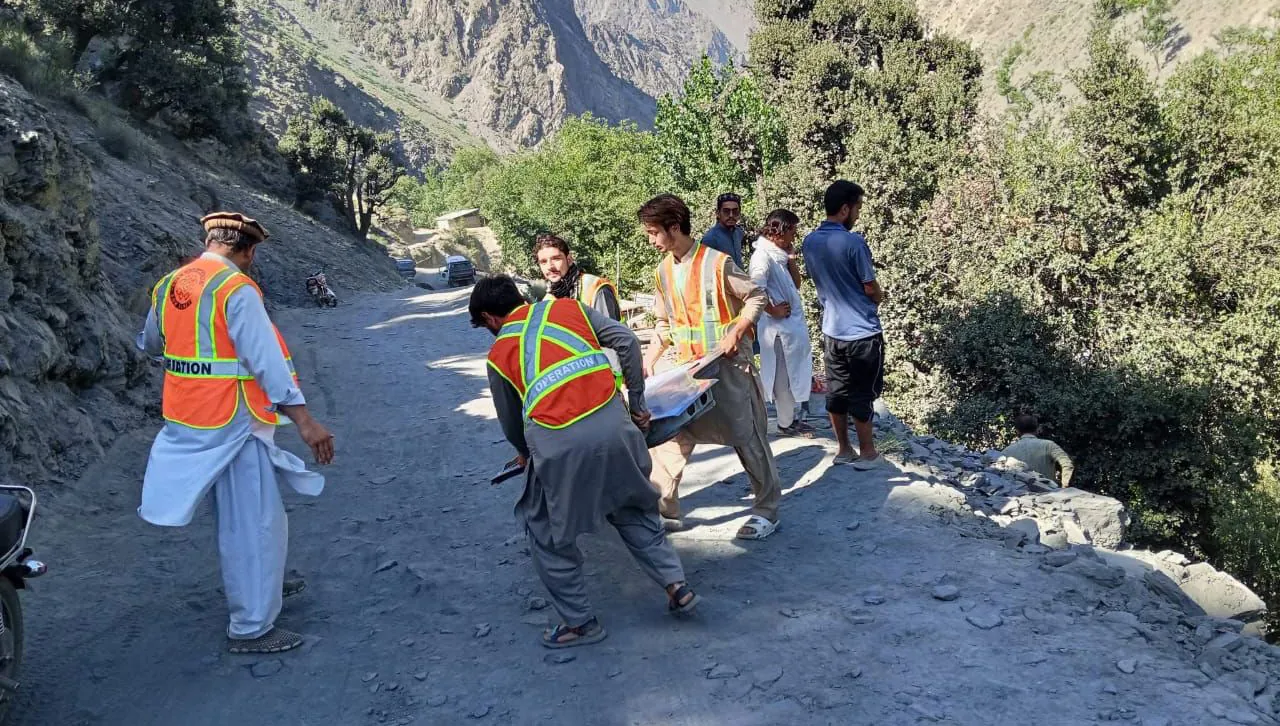
Long before the first flood alert reached the Aga Khan Agency for Habitat’s (AKAH) operations center, the infrastructure to respond was already in place. AKAH Afghanistan’s network of hundreds Community Emergency Response Teams (CERTs) with more than 6,000 trained volunteers and dozens of pre-positioned emergency stockpiles across Baghlan meant that response could begin within hours, not days.
Early warning SMS notifications reached tens of thousands of individuals across five flood-prone districts, helping families evacuate before floodwaters arrived. A dedicated Search and Rescue Team (SART) was deployed, including through nighttime operations, to locate and assist survivors in the hardest-hit areas.
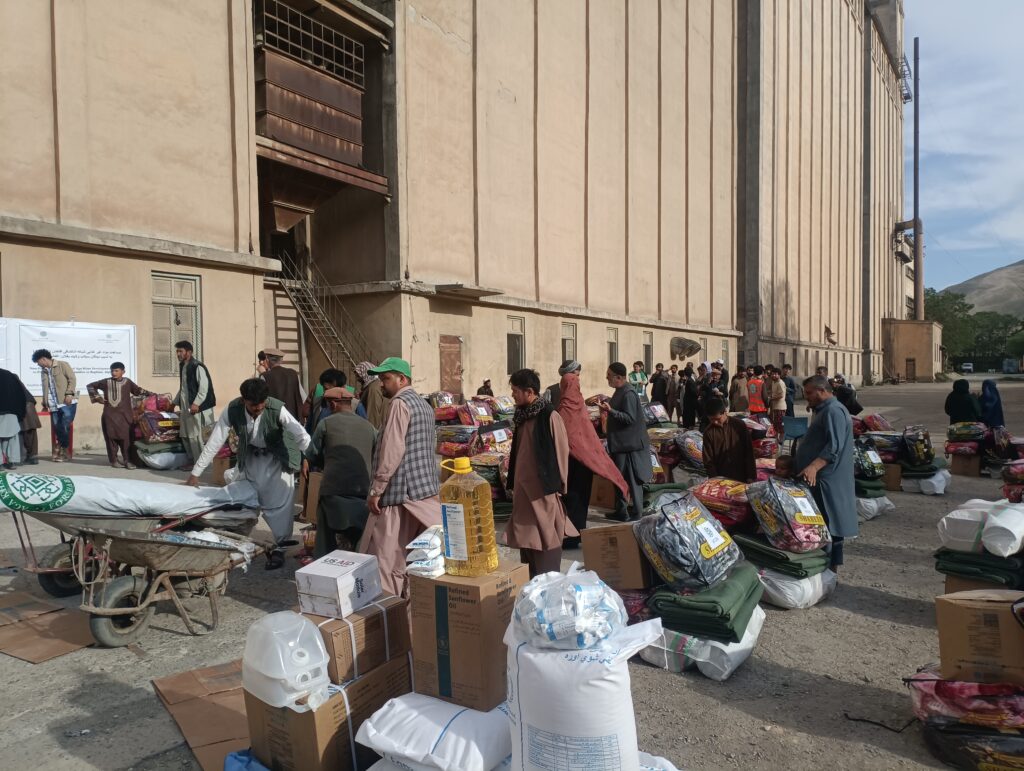
The coordinated response that followed reached 374 families across the AKDN network in Afghanistan. Joint Assessment Teams assessed approximately 600 affected households to identify the most vulnerable, and distributions of emergency shelter, food assistance, kitchen kits, and blankets were conducted alongside UN agencies, IOM, and local government authorities. The response was recognized at the national level by Afghanistan’s National Disaster Management Authority in Kabul for its speed and coordination.
Nabi Zada, a Community Emergency Response Team member mentioned: “AKDN was at the forefront in providing immediate assistance to flood-affected communities, which was highly appreciated by the Baghlan Disaster Management Authority.”
Furthermore, community members sent hundreds of messages of appreciation to AKDN, noting the support had meaningfully reduced their exposure to flood risk.
Within a week, the emergency phase had officially closed, and operations transitioned towards early recovery, including a Post-Disaster Needs Assessment to guide longer-term rehabilitation and redevelopment with local partners.
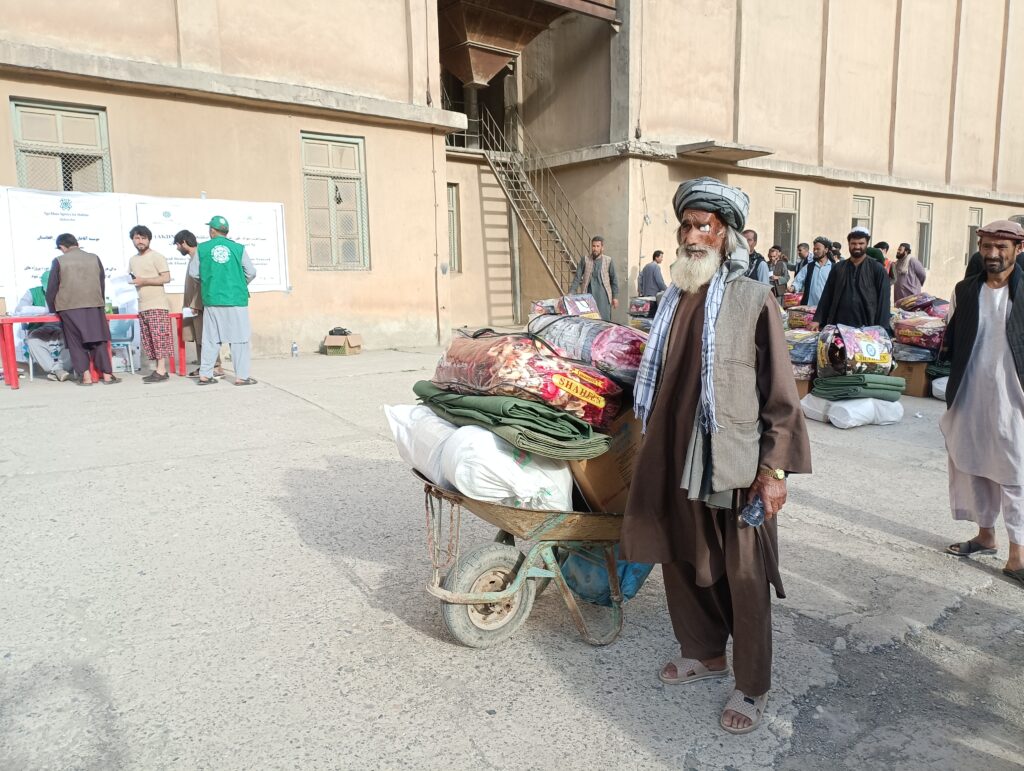
What carried communities through this acute crisis was not luck. It was training and preparation. The SARTs, stockpiles, early warning systems, and the community-based trained volunteers are exactly the kinds of investments that FOCUS donors help make possible, and in moments like this, this is what readiness and support looks like when it matters most.